Why Learning French as an Adult Might Be the Best Decision You Make This Year

There’s a common belief that learning a new language is something you do when you’re young. Kids seem to absorb words effortlessly, while adults often hesitate before they even begin. But that idea is far more myth than reality. In fact, many adults discover that learning French later in life feels surprisingly rewarding because they bring curiosity, discipline, and real-life motivation to the table.
French isn’t just a beautiful language. It’s spoken across Europe, Africa, North America, and parts of the Caribbean, making it one of the world’s most practical languages. Whether your goal is travel, career growth, cultural exploration, or simply keeping your mind active, French opens doors that many people never expected.
One thing that often surprises beginners is how quickly small daily habits add up. Spending fifteen or twenty minutes practicing every day usually works better than cramming for hours on the weekend. Language learning isn’t really a sprint. It’s more like tending a garden—you water it consistently, and eventually things start growing without you noticing.
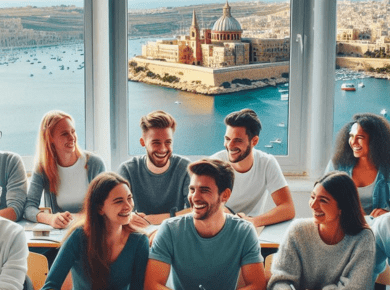
For many learners, enrolling in french lessons for adults provides the structure that’s difficult to create alone. Adult-focused classes are designed differently from school programs. Instead of memorizing endless grammar rules, they often emphasize practical conversations, everyday vocabulary, and situations you might actually encounter while traveling or working. That makes the learning experience feel much more relevant and, honestly, a lot less intimidating.
One of the biggest barriers isn’t pronunciation or grammar—it’s confidence. Adults tend to worry about making mistakes. We overthink every sentence before saying it out loud. Ironically, children learn languages quickly because they aren’t afraid of sounding silly. They just try, fail, laugh, and try again. There’s something worth borrowing from that mindset. Progress usually begins the moment perfection stops being the goal.
French has a reputation for being difficult, but that reputation isn’t entirely fair. English and French actually share thousands of words with similar origins. Terms like “restaurant,” “information,” “important,” and “culture” already feel familiar. Sure, pronunciation takes practice, and verb conjugations can seem overwhelming at first, but every language has its quirks. Once learners move beyond the beginner stage, patterns become much easier to recognize.
Technology has transformed language learning in ways that would have sounded impossible twenty years ago. Mobile apps, podcasts, online tutors, conversation exchanges, and streaming platforms allow learners to immerse themselves in French without ever leaving home. Watching a French film with subtitles or listening to French music during a commute may not seem like studying, but those small moments gradually train your ears to recognize rhythm, pronunciation, and common expressions.
Another unexpected benefit is the mental workout. Learning a language challenges memory, concentration, and problem-solving skills all at once. Many adults say they feel mentally sharper after a few months of consistent study. It’s not magic, of course, but exercising the brain regularly can be just as valuable as exercising the body.
Travel becomes a completely different experience when you understand even basic French. Ordering food, asking for directions, chatting with locals, or reading museum descriptions creates a stronger connection with the places you visit. People often appreciate the effort, even if your accent isn’t perfect. In fact, those imperfect conversations usually become the most memorable parts of a trip.
Professional opportunities also expand in surprising ways. Companies increasingly value multilingual employees because international collaboration has become part of everyday business. Even if French isn’t required for your current position, having another language on your résumé signals adaptability, persistence, and a willingness to learn—qualities employers tend to appreciate regardless of industry.
The learning journey doesn’t have to be expensive either. While structured courses certainly help, plenty of high-quality free resources exist online. Public libraries frequently offer language materials, YouTube hosts excellent educational channels, and language exchange communities connect learners with native speakers around the world. A balanced mix of free and paid resources often works better than relying on just one method.
Consistency matters much more than intensity. Missing a day isn’t the end of the world. Missing several weeks because you expected perfection—that’s what usually causes people to quit. Some days you’ll remember new vocabulary effortlessly. Other days you’ll forget words you knew yesterday. That’s simply how language acquisition works. It’s rarely a straight line.
Building small routines can make a huge difference. Labeling household items with French words, changing your phone’s language settings, keeping a simple vocabulary notebook, or speaking to yourself while making coffee may feel slightly awkward, but these tiny habits reinforce learning naturally throughout the day.
Perhaps the most enjoyable part of learning French is discovering the culture that comes with it. Literature, cinema, cuisine, history, fashion, philosophy, and music become far more accessible when you understand the language. Suddenly, famous novels read differently, films reveal subtle humor that subtitles miss, and even everyday conversations carry layers of meaning that translations can’t fully capture.
It’s also worth remembering that there isn’t one “perfect” French accent. French spoken in Paris differs from the language heard in Montreal, Brussels, Dakar, or Geneva. Exposure to these different varieties makes learners more adaptable and reminds us that language is alive rather than fixed.
Some adults hesitate because they think they’re starting too late. The truth is, there isn’t an expiration date on learning something meaningful. Whether you’re twenty-five, forty-five, or seventy, every new phrase learned represents progress. Language learning isn’t a competition against younger people; it’s a personal investment that continues paying dividends for years.
Success often comes from setting realistic expectations. You don’t need to become fluent in six months. You don’t need to understand every movie without subtitles. Celebrate smaller milestones instead: ordering a meal confidently, understanding a podcast sentence, reading a children’s story, or having your first five-minute conversation entirely in French. Those victories accumulate faster than most people realize.
In the end, learning French is about much more than vocabulary lists and grammar exercises. It’s about gaining confidence, connecting with people from different backgrounds, expanding your perspective, and proving to yourself that growth never really stops. Every lesson adds another piece to a skill that can enrich travel, career opportunities, friendships, and personal fulfillment. If you’ve been waiting for the “right time” to begin, you may discover that today is already a pretty good place to start.